



The Fugger City
The name given to Augsburg.
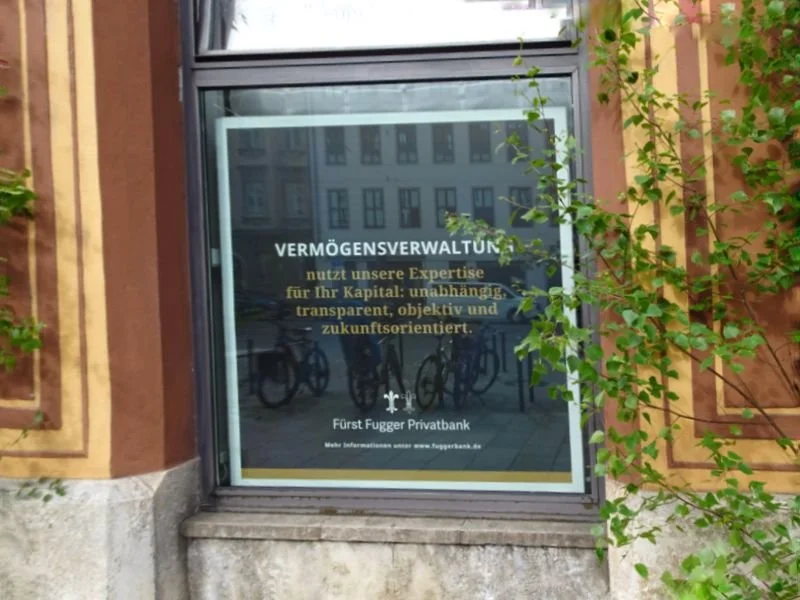
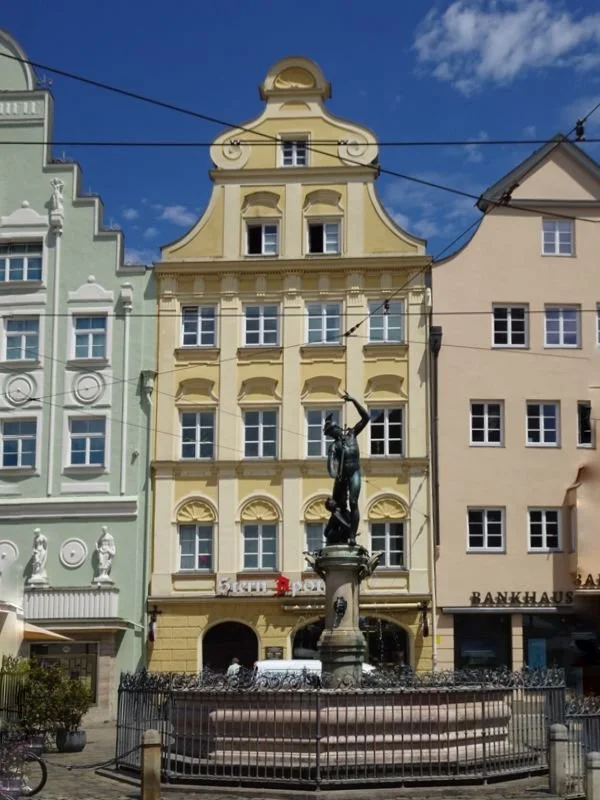
I hadn’t heard the name before, but my Hero recognised it in the context in which we saw it first: the window of the private bank next door to our hotel, in the ochre coloured building with all the branches fixed for Corpus Christi. But here in Augsburg, the name Fugger is one that crops up constantly and I wanted to learn more.
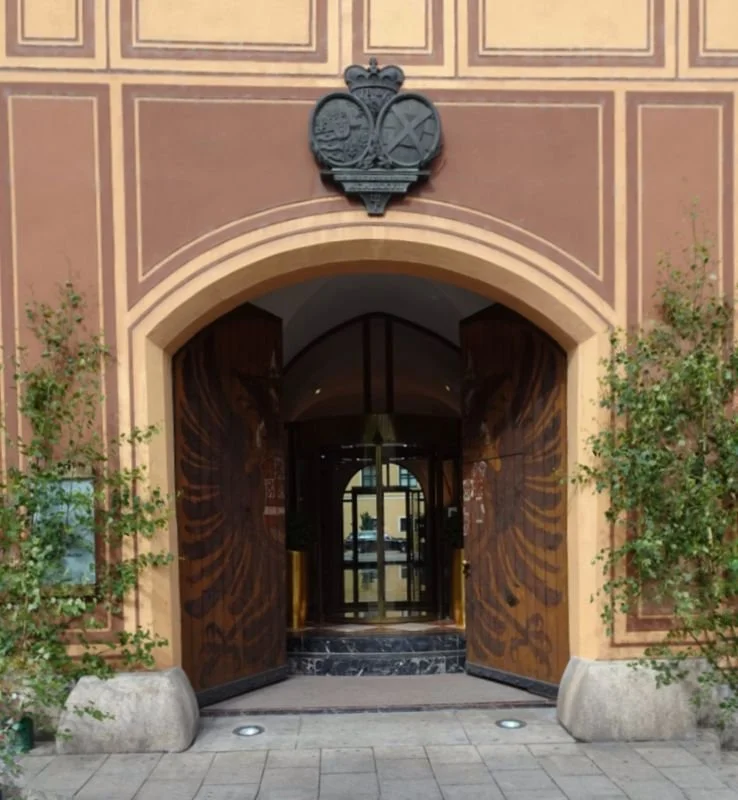
Certainly that pair of doors which open into a large courtyard are the grandest on Maximilianstrasse and it seems likely that they always were, for the Fuggers have been around since the Middle Ages.
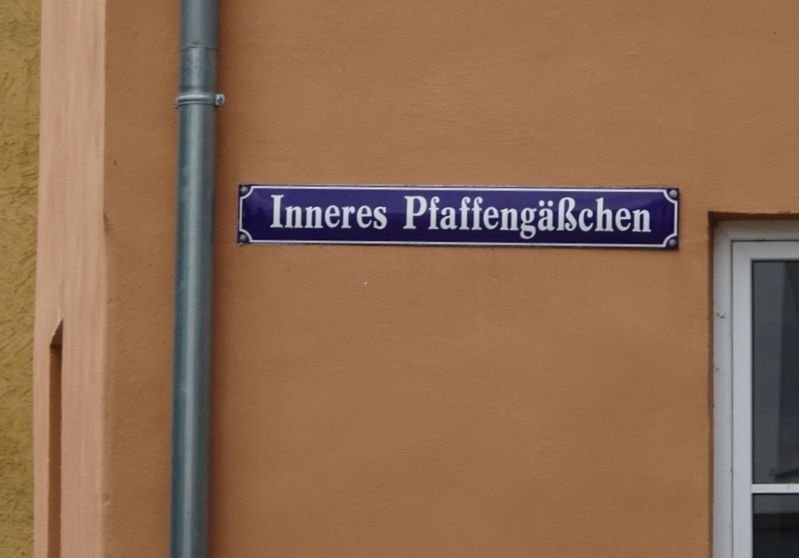
Our journey to learn more took us to the area of the city close to the cathedral and along one or two small streets with memorable names.
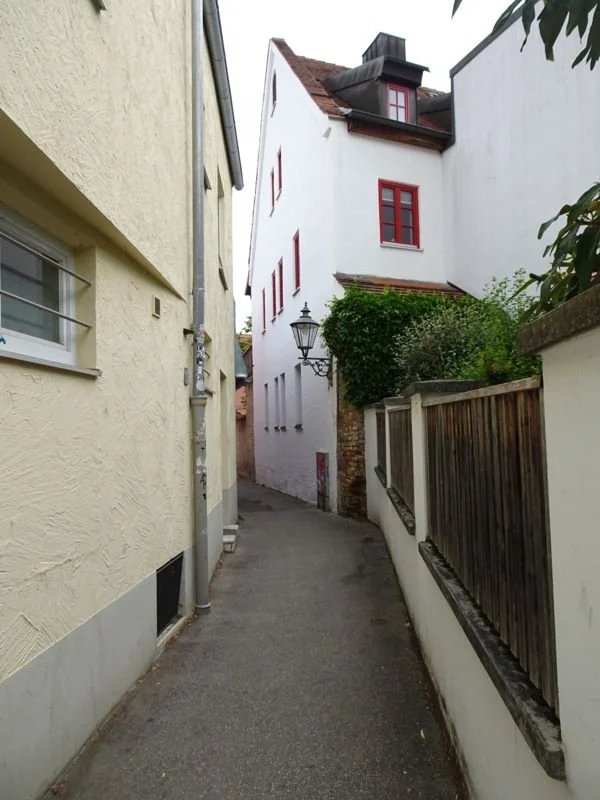
We had both paper maps and those on our phones so we had no reason to get lost.
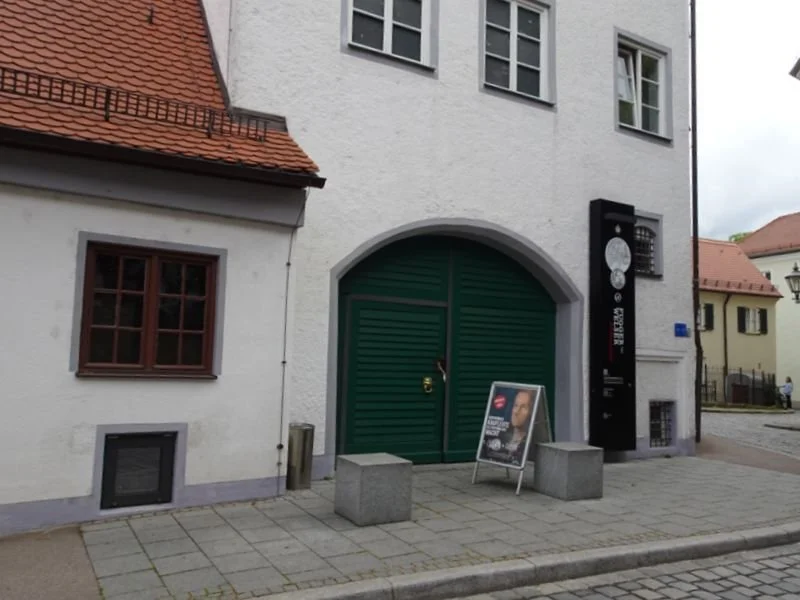
Our destination was right ahead of us, the Fugger-Welser Museum whose website is so detailed and accessible, I offer no apologies for sharing few photographs taken during our visit! Take the virtual tour and you’ll see what i mean - and persist until you hear/see it in English too if you don’t speak German 🤔 (It’s all there!)
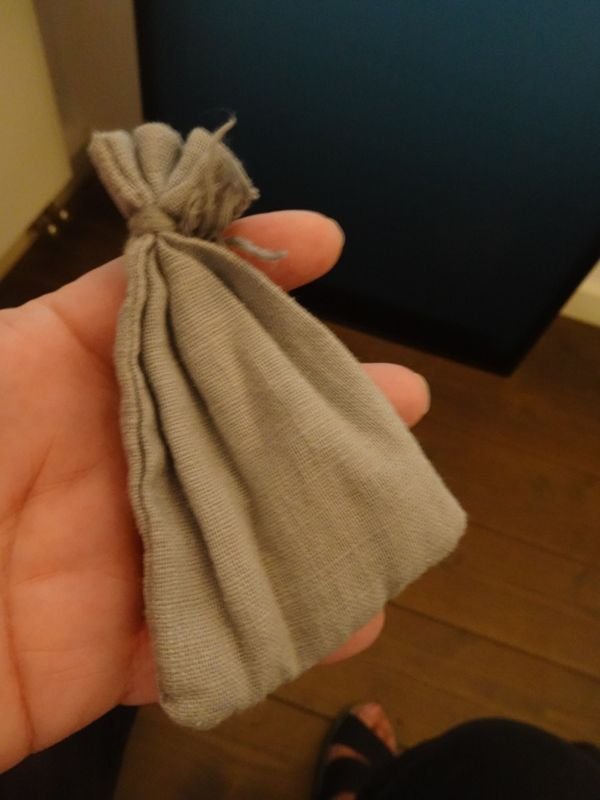
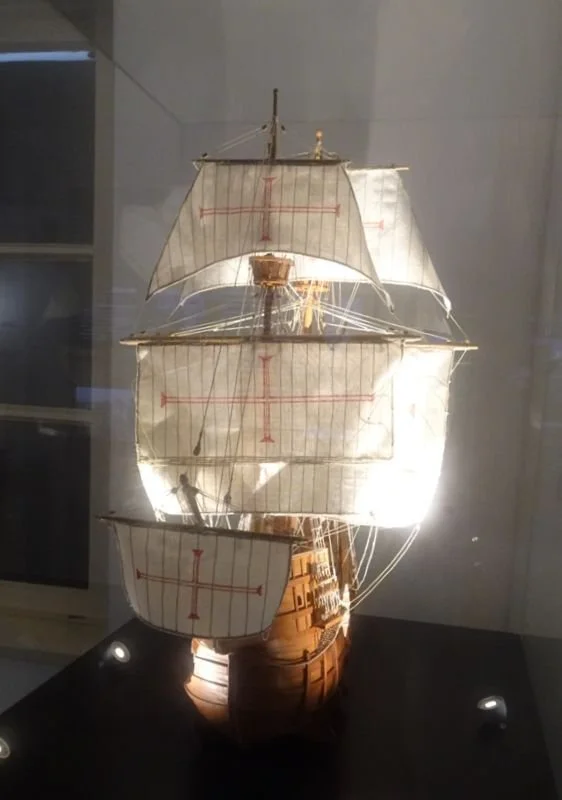
Our visit began with the gift of a small bag of peppercorns. Inside the bag was also a digital key to unlock some of the presentations and our key ensured they were all in English too. The peppercorns were representative of some of the first trades made by Jakob Fugger’s company in the late 15th century, when his education in Venice had inspired him to explore trade routes to and from Lisbon, Dakar and Goa. Trading spices needed a means of packaging and here, Jakob Fugger’s family background in weaving fustian cloth was an advantage. His Grandfather Hans had developed the business by providing the raw materials to the weavers on credit, then selling the finished cloth on for his own profit. In just three generations, they had established themselves as leading businessmen in Augsburg and beyond, and Jakob was known as Jakob Fugger the Rich…

Though I had heard of fustian, I didn’t know anything more about it, so I was glad there was a sample here to handle. I’d describe it as a tightly woven twill cotton cloth, similar in feel to a high quality cotton tea towel.
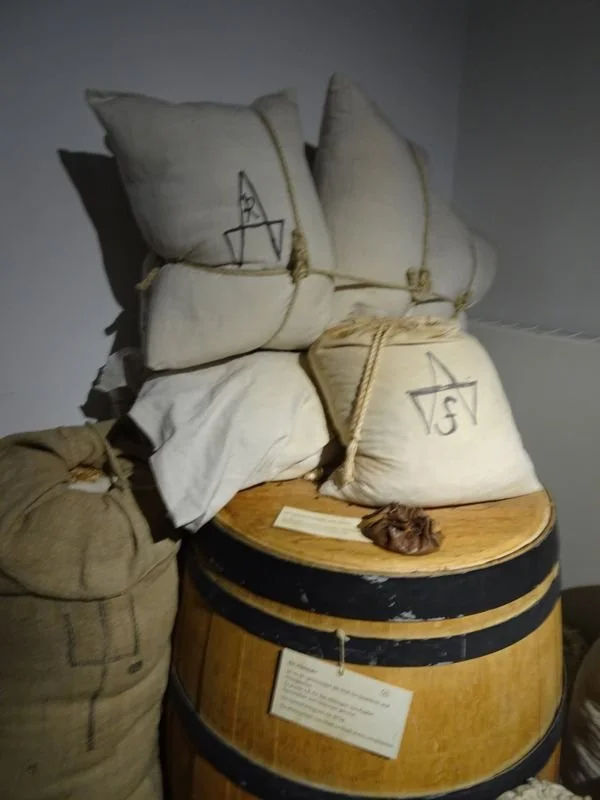
The display of merchant goods in the corner were in fustian sacks, each one marked with the merchant’s mark and on a table nearby was a couple of embossing tools so I could make a copy in my notebook.
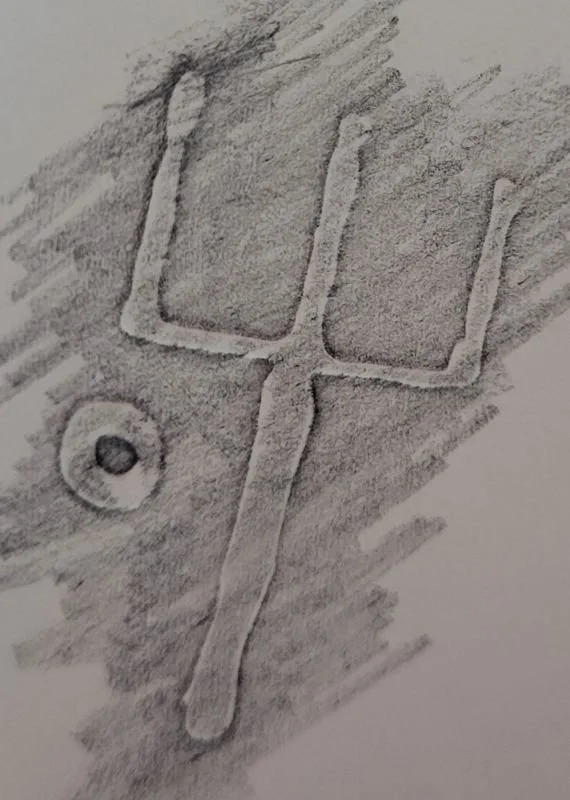
The Fugger Family used the trident symbol with a small circle alongside to mark their goods
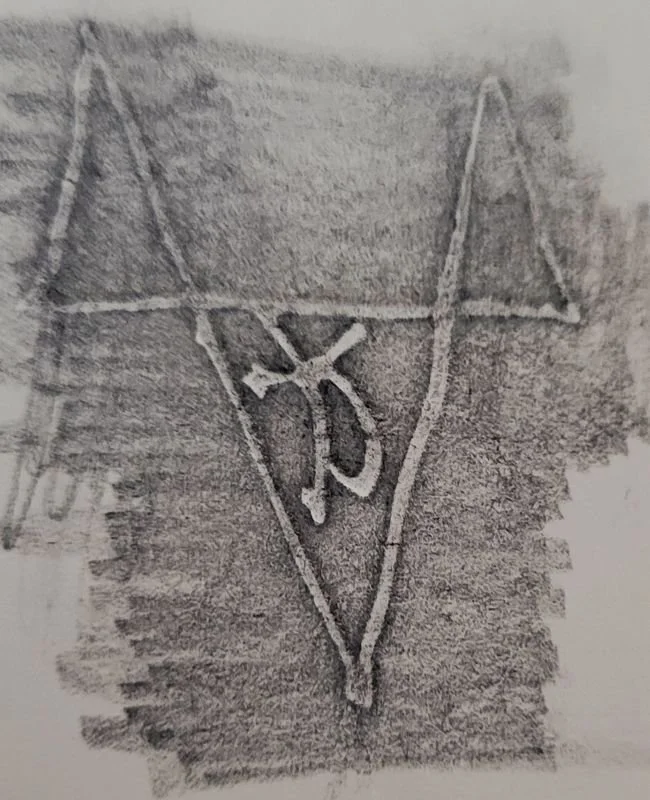
The Welser company used this symbol for their goods, because the Fuggers weren’t the only successful merchants in town. I first came across Bartholomäus Welser when I spotted the plaque on his former home a couple of days ago. His family had also traded with the east and amassed enough wealth to lend large sums of money to Charles V amongst others and in return were given the colony of Venezuela. Their success was not as long lasting as the Fuggers’, however, and their time in Venezuela in particular was short - around twenty years. But for the period of time covered by the story here, the Welsers were almost on a par with the Fuggers.
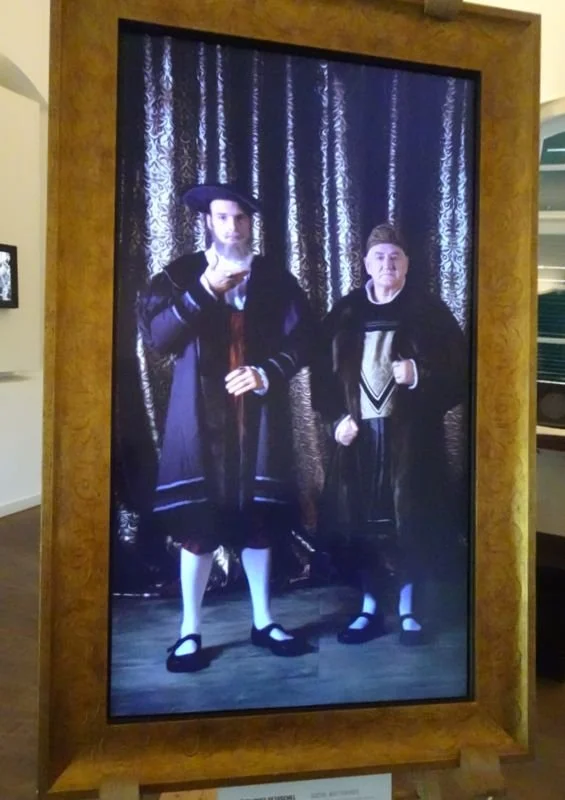
Further into the museum here, there are multimedia images of Bartholomäus Welser and the rather older Jakob Fugger and a virtual tour on the website gives a glimpse of the “conversation” between the two men at the height of their success. Smug? Oh yes!
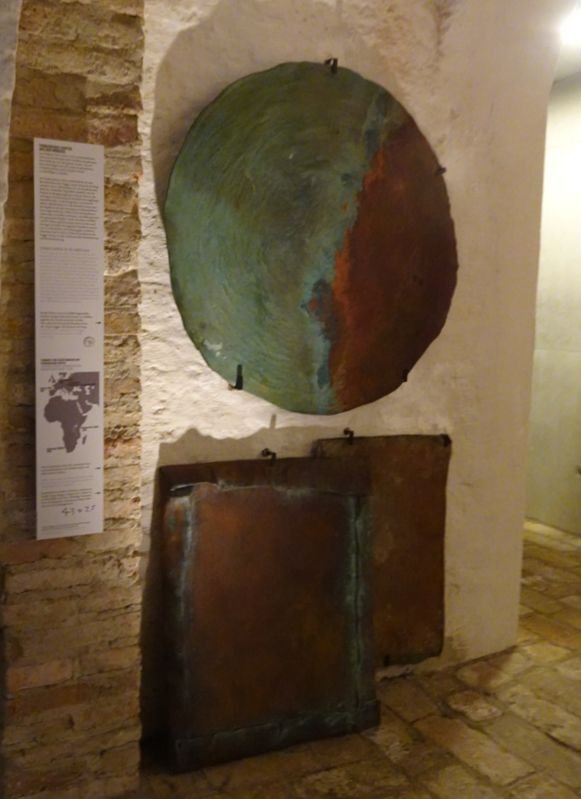
The trade of metals, particularly copper, became a principal part of their business and here were three large pieces of copper that had been recovered from a shipwreck in the Atlantic somewhere. How do we know they were from one of the Augsburg companies?
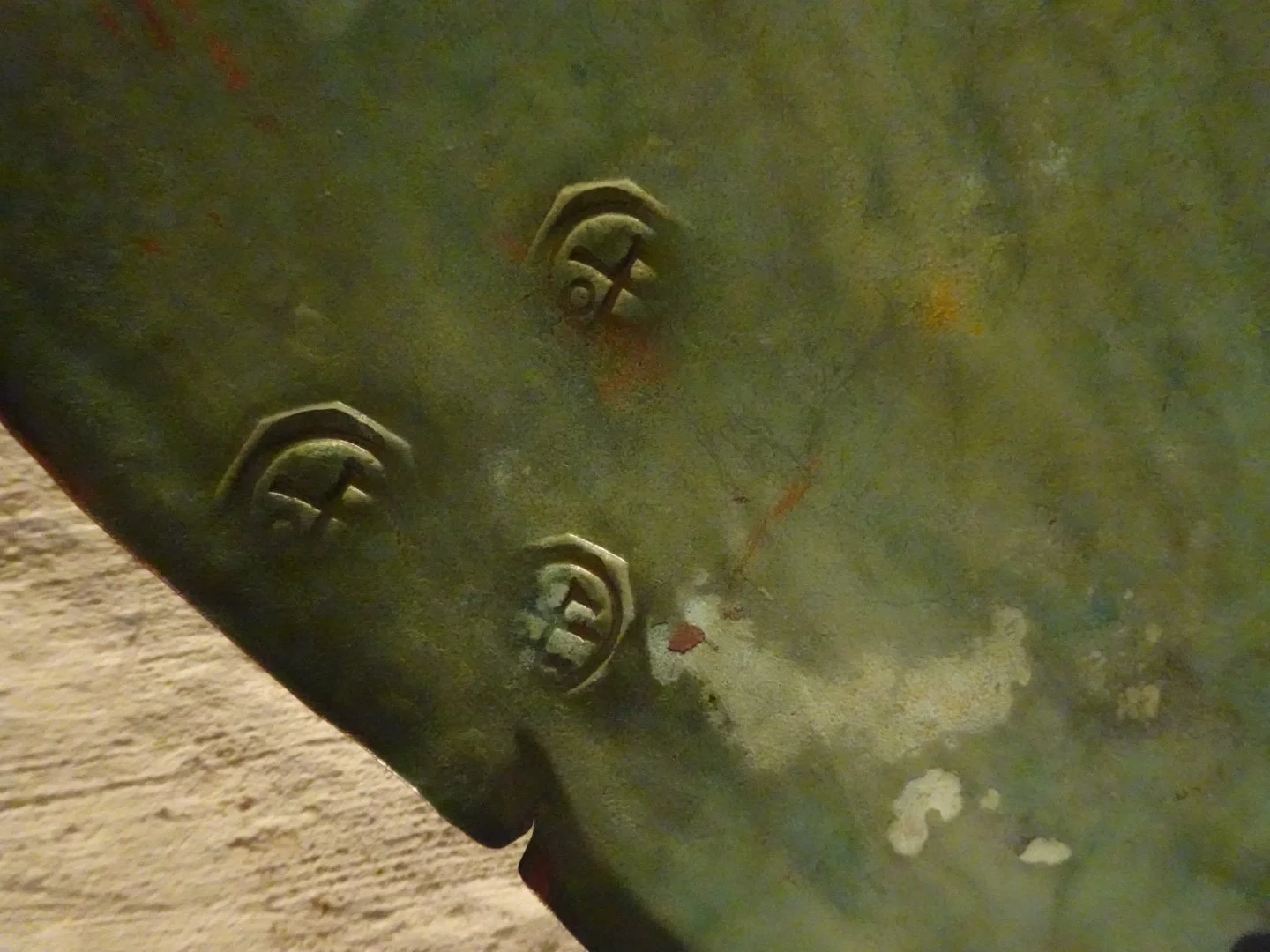
Each piece of copper is clearly stamped with a trident and a small o alongside.
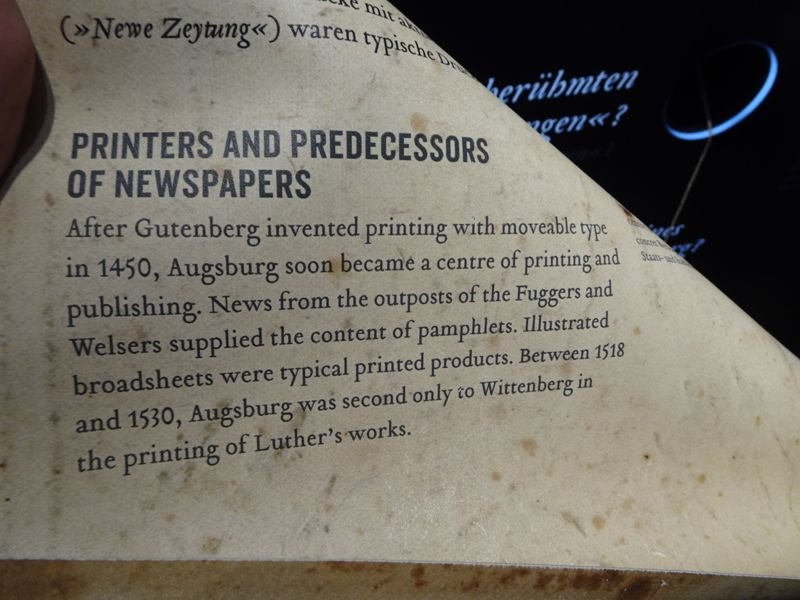
It was this exhibit which prompted us to begin to relate what we’d seen and learned here to more current people and events. We watched a presentation which explored the reasons behind the Fugger-Welser success: being in the right place at the right time, for example, not to mention a good network and a strategic mind with the ability to seize the opportunity when it occurs. How interesting, for example, that influential people of the 15th century were involved in publishing newspapers…
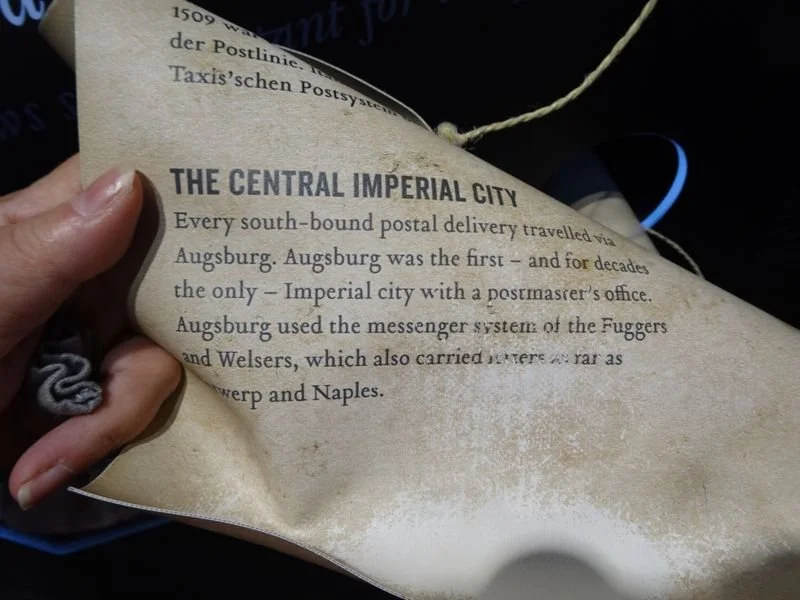
Clearly, Augsburg was central to their success and for quite some time, the city benefitted greatly from these shrewd businessmen, for not only did they feather their own nests, they were generous benefactors too. Had we started our day earlier, not dawdled through town and then spent quite so long in the fascinating museum, then perhaps we might have had time to see the greatest example of Jakob Fugger’s philanthropy: The Fuggerei
We left Augsburg wanting to learn more about this impressive family and how they lived. I read that, when Jakob Fugger died, his wealth was estimated to be around 2% of the total sum of Europe, the equivalent of around $400 billion today. He’s generally regarded as the richest man ever. I also read in the museum that no-one in the 15th century married for love; it was always about wealth, power and property.
That’s when the words “An Elegant Sufficiency” spring to mind 🫠
(If you haven’t had enough of Jakob Fugger, there’s a great summary of his life and influence here )