



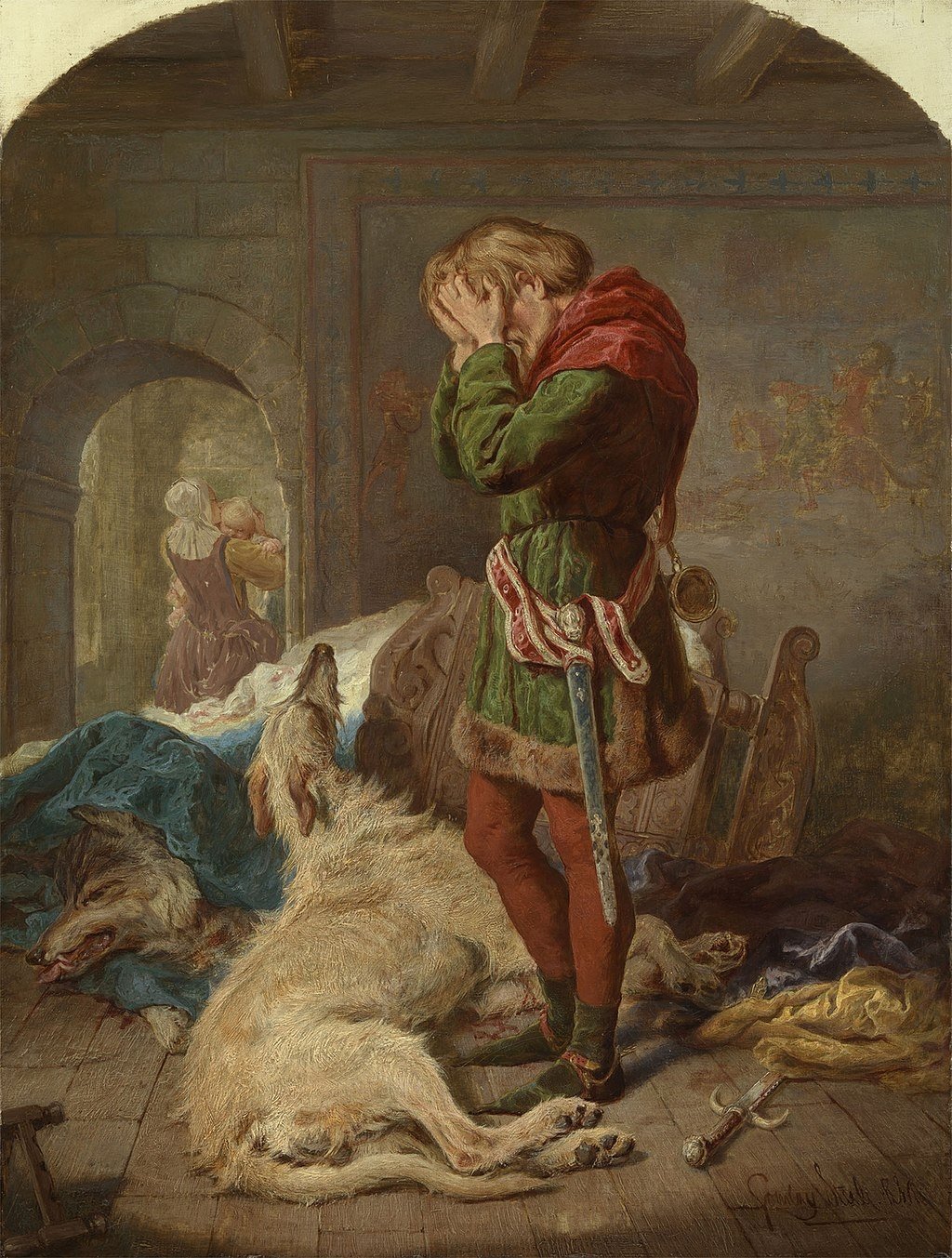
Faithful Hounds and Folk Tales
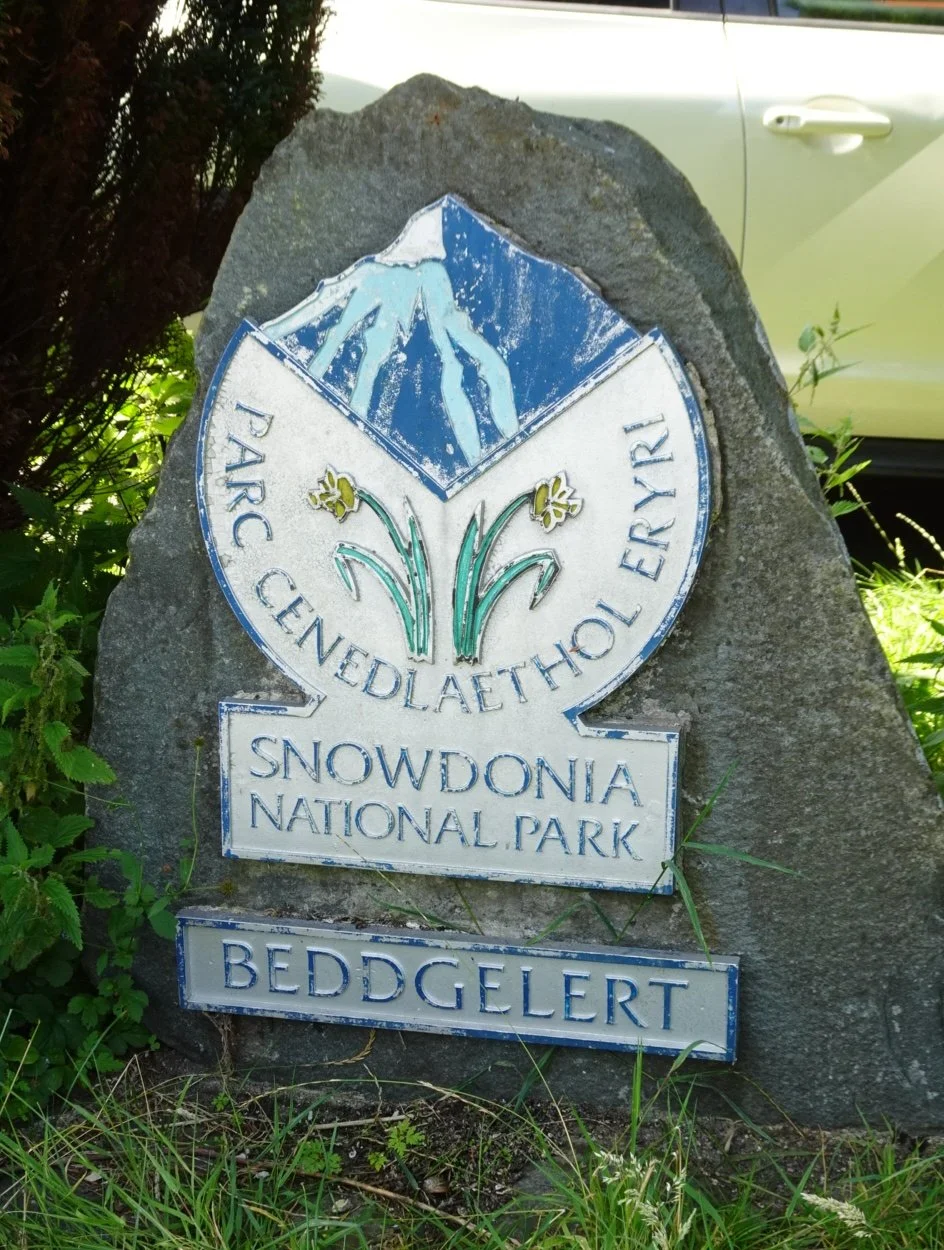
In the previous post, I referred to a conversation we had as we drove past a signpost, because for some reason I was reminded of a dog. The placename was Beddgelert and we were driving through the Snowdonia (now referred to as Eryri) National Park at the time.
Shortly afterwards, we were sitting enjoying a cup of tea on the station platform in Porthmadog, awaiting the arrival of a steam train; the kind of daft thing we find ourselves doing when we're out and about.
With an internet connection available, out came the phone and a quick check was made, because we both felt sure that Beddgelert had something to do with a dog.
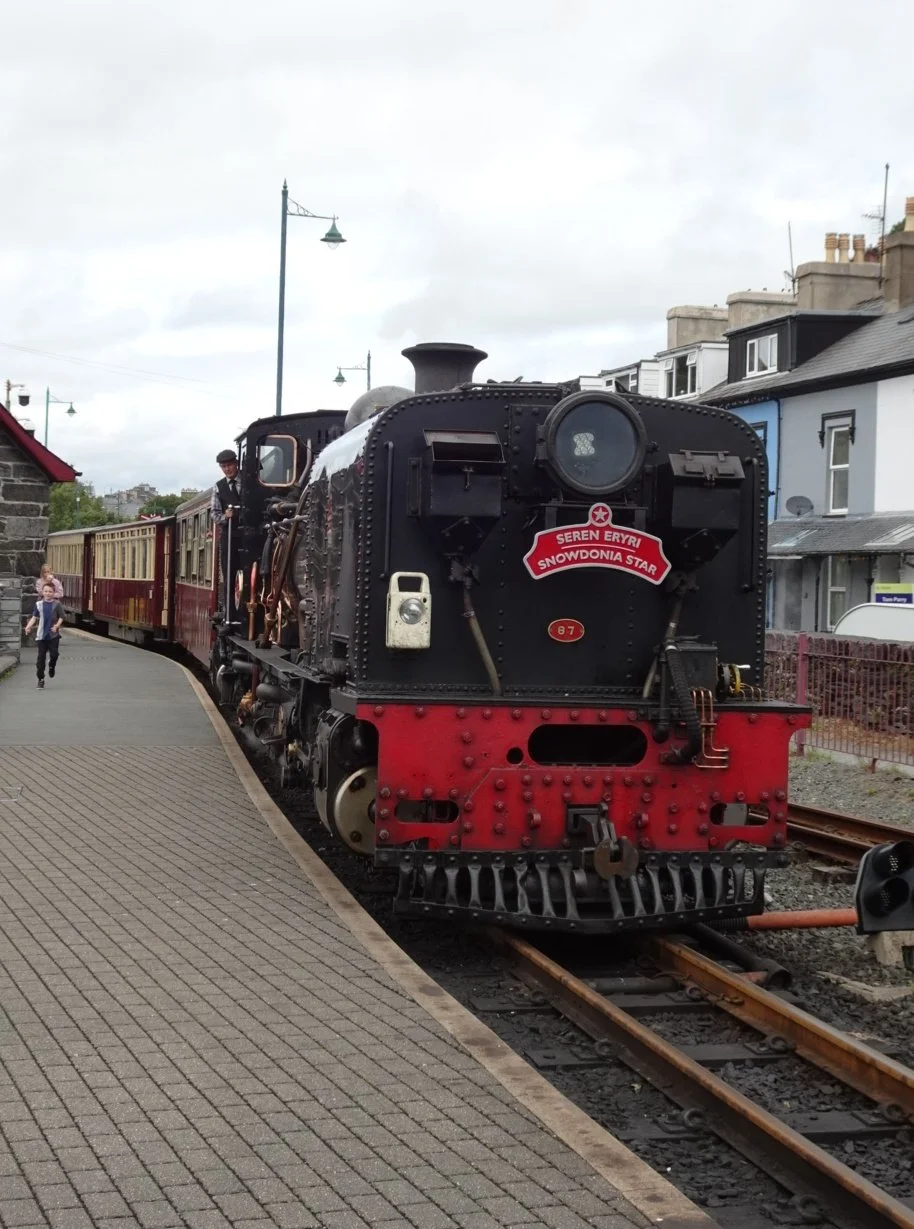
As the steam train puffed in over the road and into the station, our vague memories were proved correct, though the name of the dog was Gelert, the place name Beddgelert meaning “Gelert's grave”.
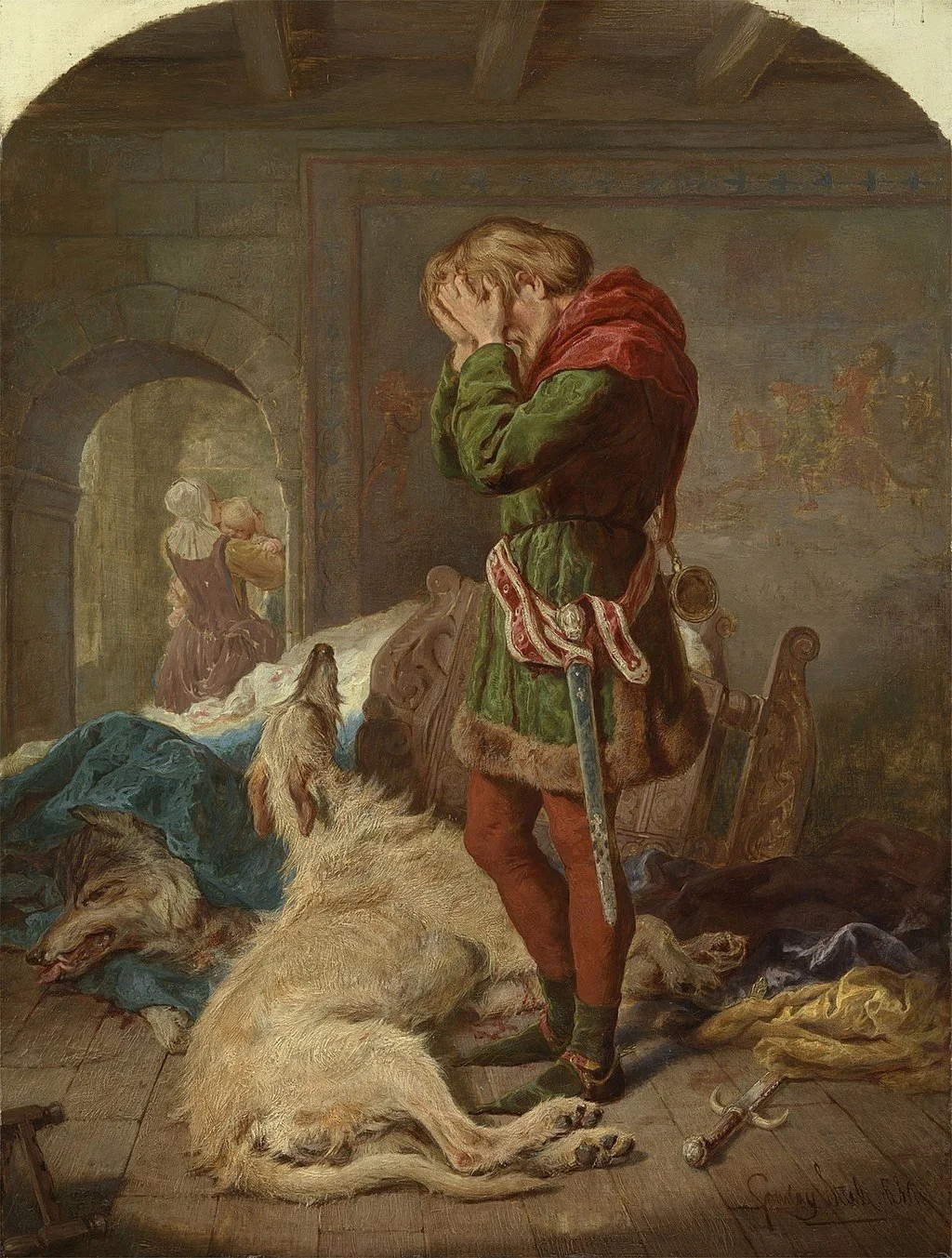
The story goes like this:
In the legend, Llywelyn the Great returns from hunting to find his baby missing, the cradle overturned, and Gelert with a blood-smeared mouth. Believing the dog had devoured the child, Llywelyn draws his sword and kills Gelert. After the dog's dying yelp, Llywelyn hears the cries of the baby, unharmed under the cradle, along with a dead wolf which had attacked the child and been killed by Gelert. Llywelyn is overcome with remorse and buries the dog with great ceremony, (then leading to the town name) but can still hear its dying yelp. After that day, Llywelyn never smiles again.
Oh my. Stories like this one were key features of school assemblies; essential to the daily routine of every school in the UK, when everyone would gather to sing a hymn, say prayers and listen to a reading or story with a moral or life lesson. The story of Gelert was an illustration of “act in haste, repent at leisure” and though we'd both forgotten the detail, the general theme had stayed in both our psyches!
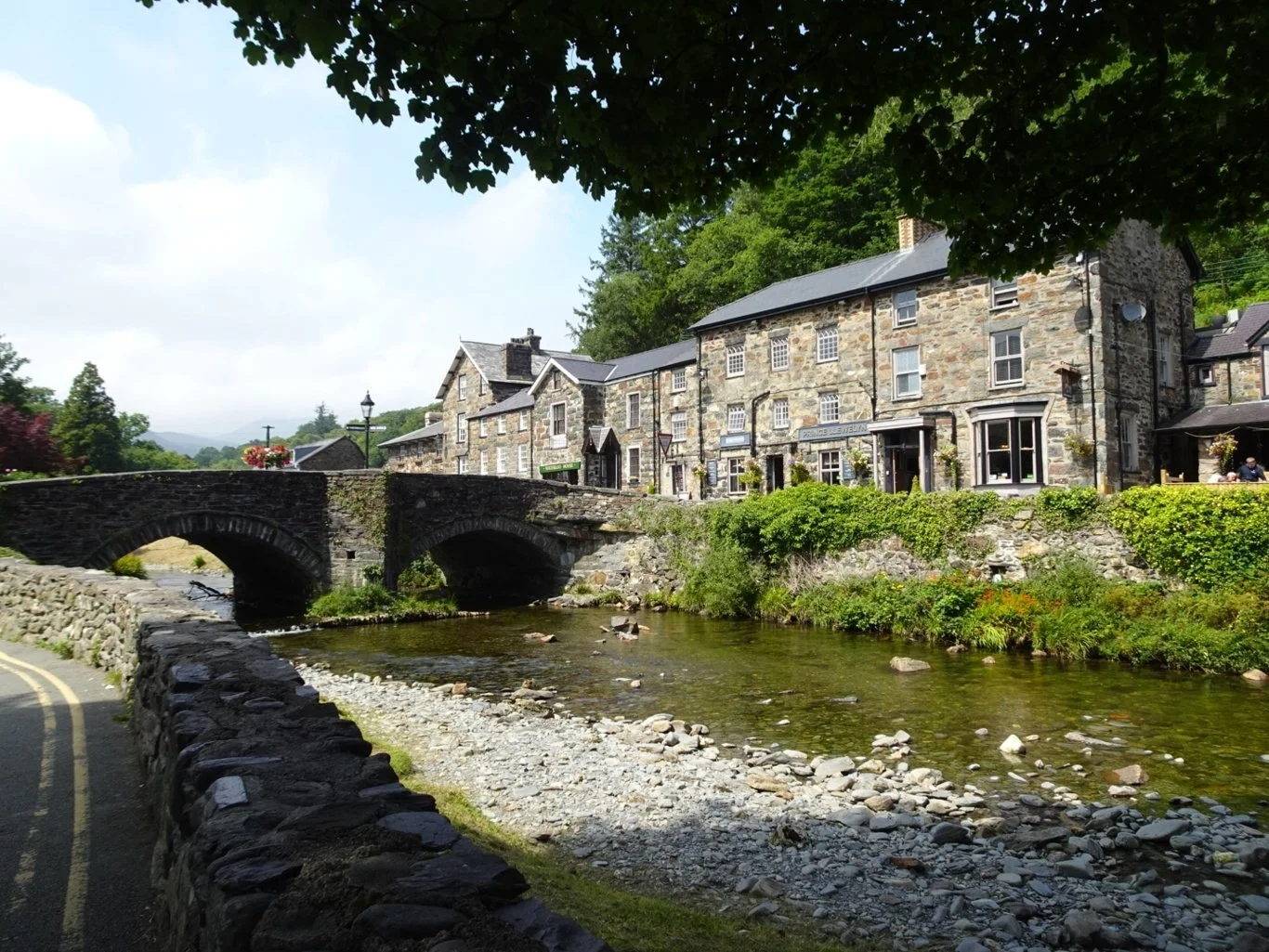
Today we found ourselves in Beddgelert and having read and chatted about the story, of course, we wanted to find Gelert's grave. In the meantime, the Wikipedia page about Gelert had led us down another rabbit-hole. Follow that link at your own risk, but if you suddenly find yourself following yet more links to The Aarne Thompson-Uther index, you will understand 🫠
(Type 178A by the way! 😅 )
Totally unable to resist clicking through a variety of links, we spent the next few hours trying to recall the name of the dog in Tokyo, who waited for his master by Shibuya Station every day (Hachiko) and chatting about Greyfriars Bobby in Edinburgh. That was before we became distracted by the various Cinderella-type stories here and there (sub-type 510A if you are now as curious as we were!)
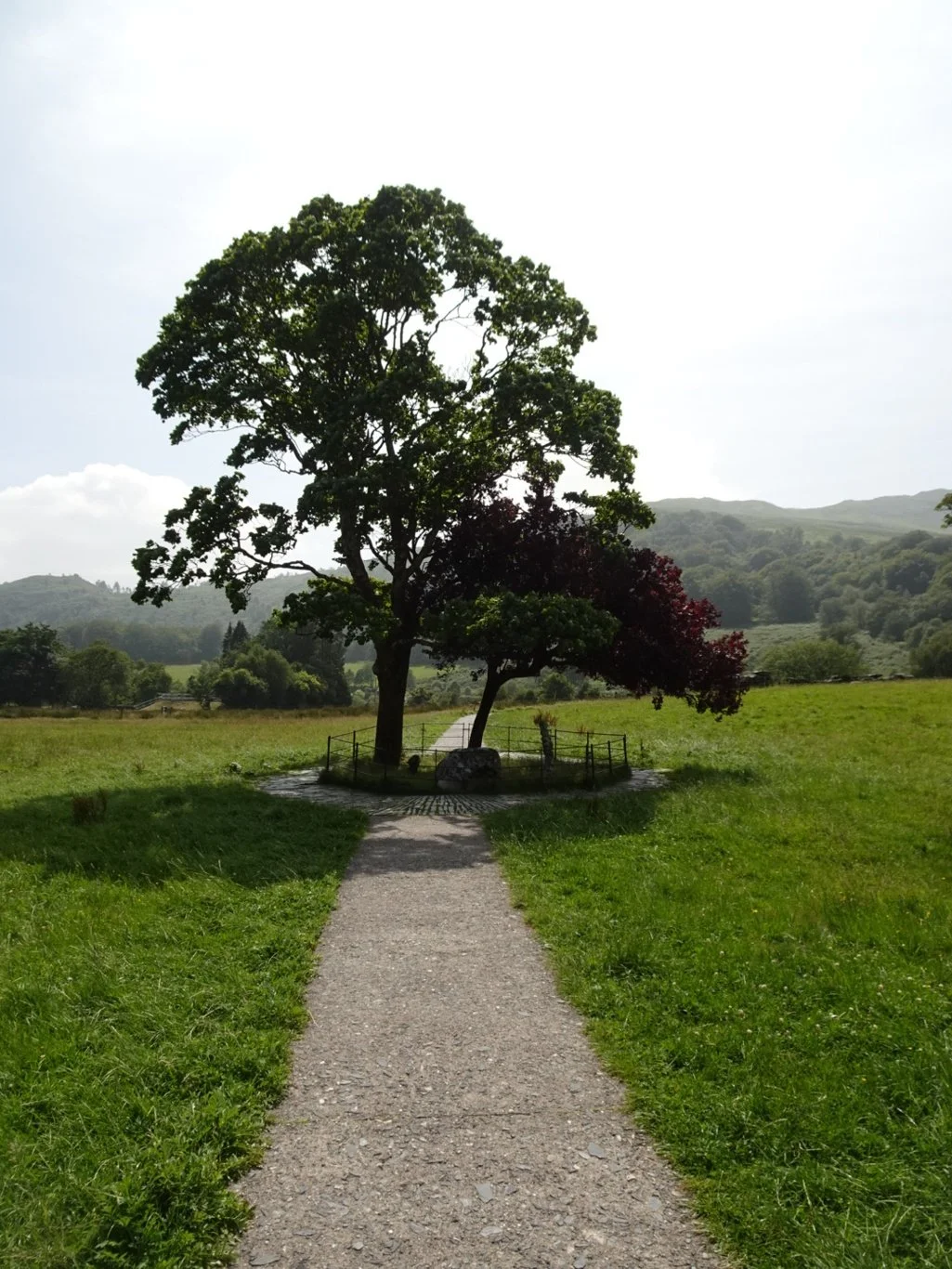
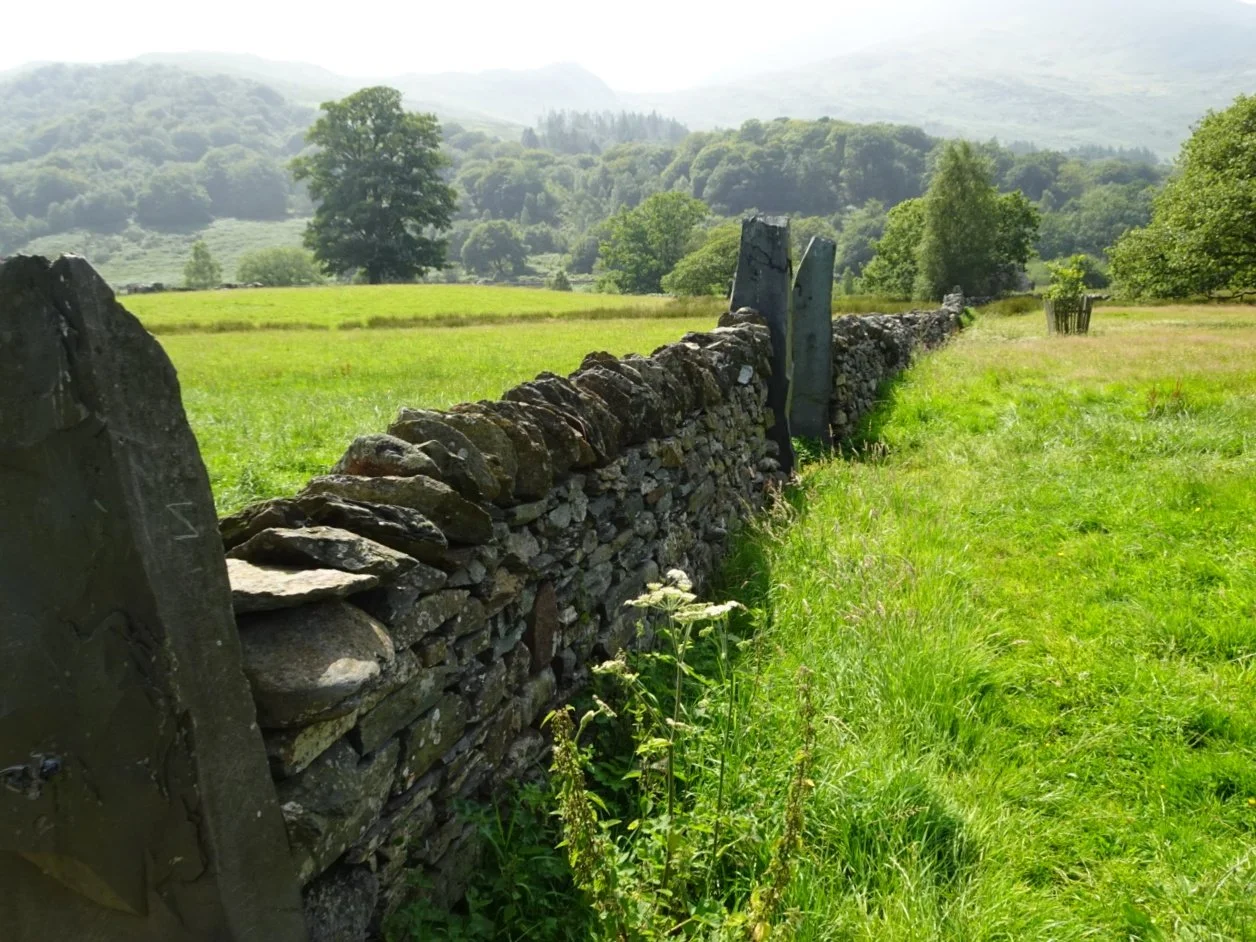
Back to Gelert, though. Walking across a field from the centre of the village, following a well-trodden pathway that became a proper footpath once we'd squeezed through an opening in the wall, we came across a shady spot beneath two trees, protected by a fence.
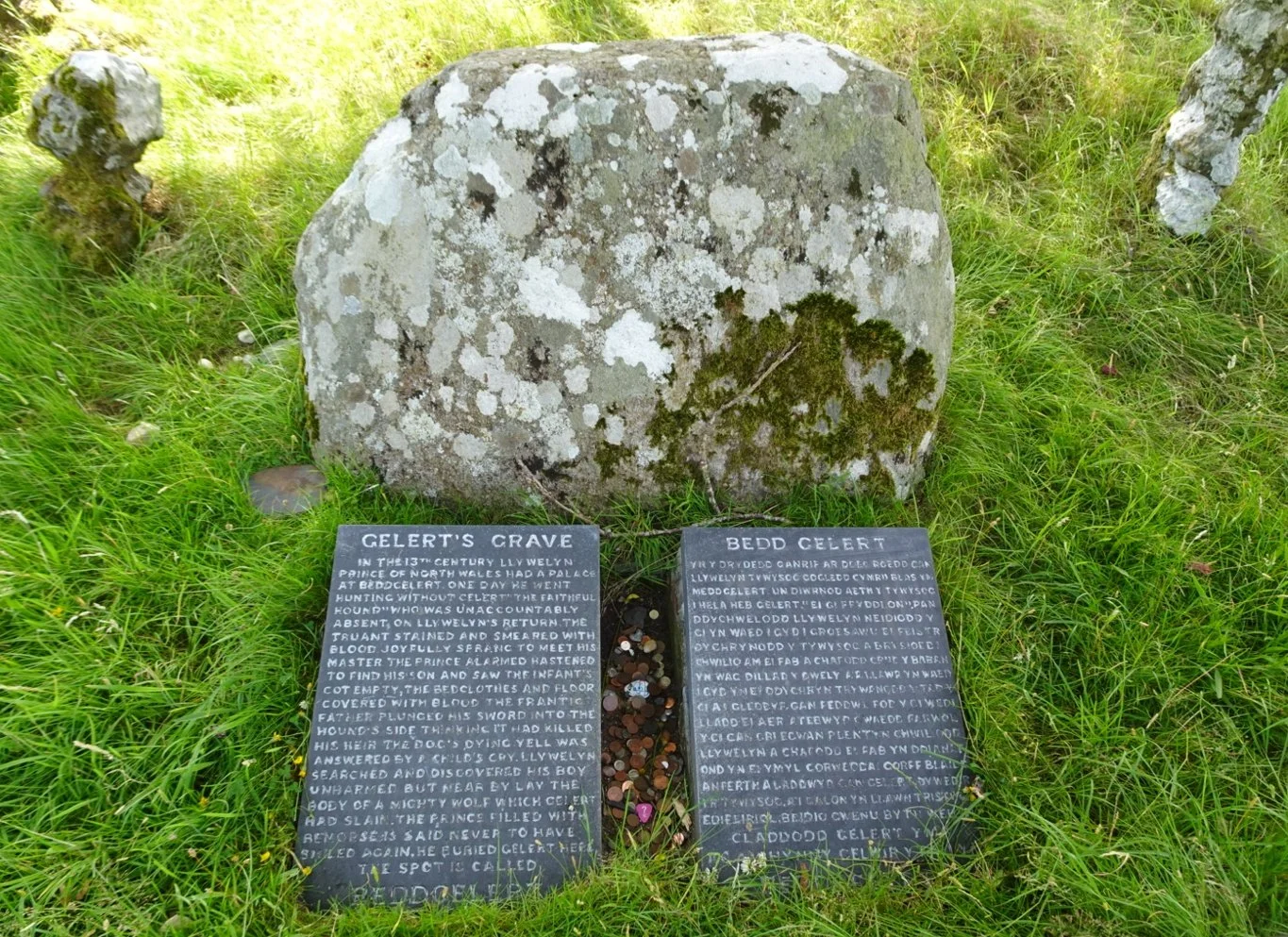
There, beneath the trees was Gelert's grave, marked with a large stone and two slate tablets, bearing the story of Llewelyn in English and in Welsh. It was a lovely spot, peacefully placed above the river and on this Summer afternoon, it was a popular place to visit.
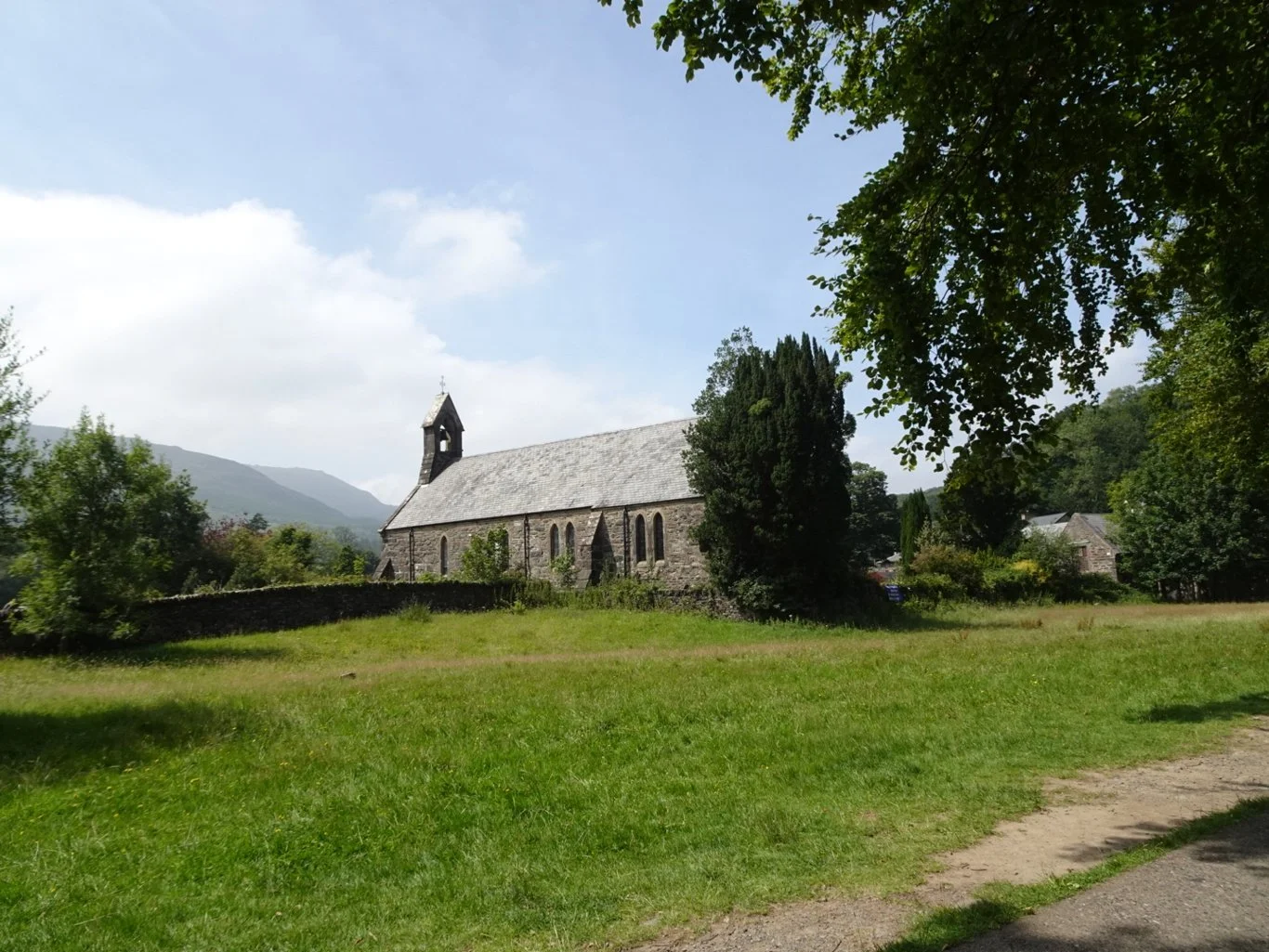
As we returned the way we'd come, across the field and past the small stone chapel, we felt we'd satisfied our curiosity about Gelert. However, isn't it said that “as one door closes, another one opens up”?
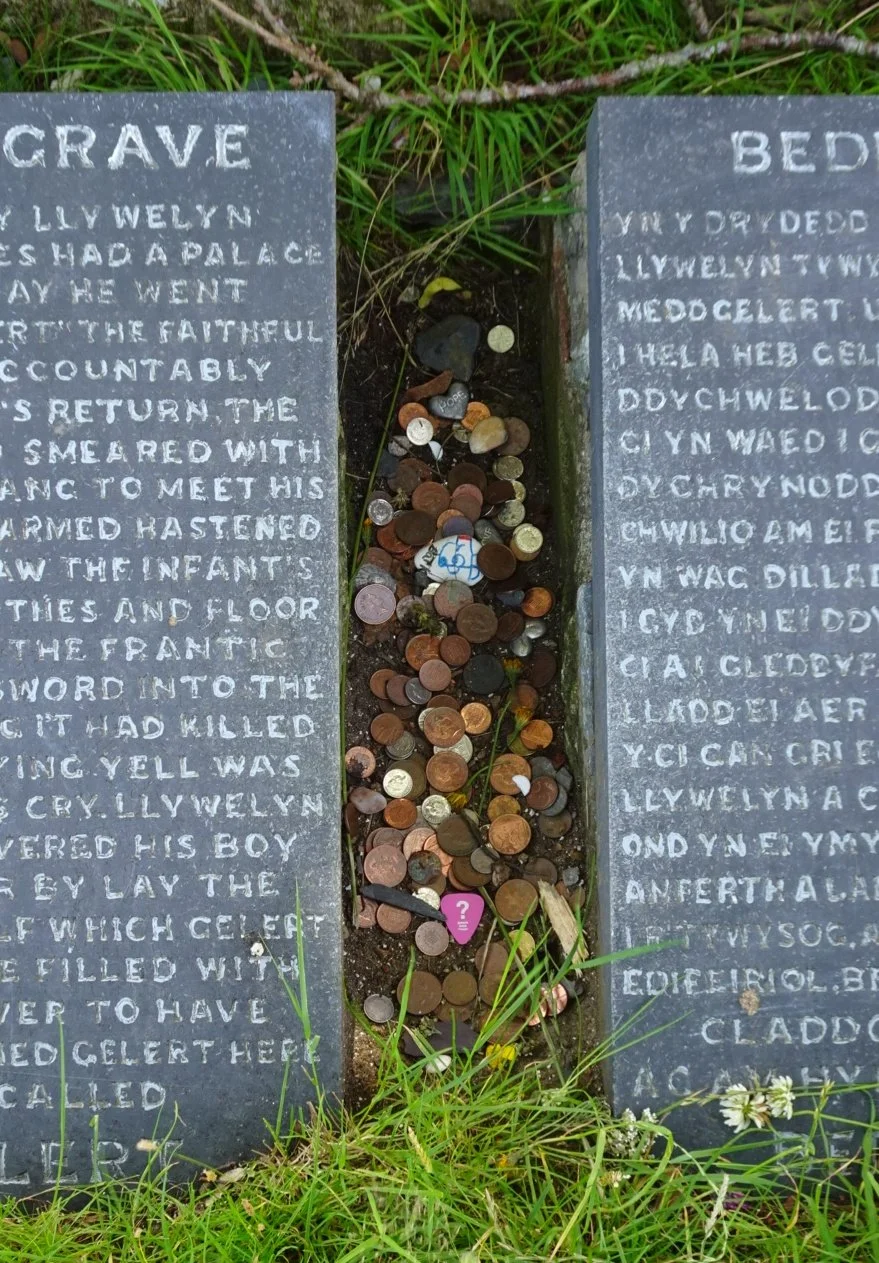
Why is it that people felt the need to leave coins here?
Incidentally, the whole story is now regarded as a local myth, the name of the village coming from an entirely different source and the “grave” being constructed by a local hotelier in the late 18th century in the hope of encouraging tourism! In that respect, we can say that two hundred years later, he has indeed been successful 😉